Norovirus, often called the winter vomiting bug, is a very common stomach bug. It brings on vomiting and diarrhoea suddenly, and it spreads very easily from person to person. Most people get better on their own within 2 or 3 days. This page explains the symptoms, how to look after yourself at home, the warning signs to watch for, and how to stop it spreading.

Key points
- Norovirus causes sudden vomiting and diarrhoea. It usually lasts up to 2 or 3 days.
- Drink plenty of fluids. Most people can look after themselves at home, and antibiotics do not help.
- It spreads very easily. Alcohol hand gel does not kill it, so wash your hands with soap and water.
- Stay off work or school until at least 48 hours after your symptoms have stopped.
- Call 112 or 999 if you notice signs of serious dehydration, such as confusion or not peeing all day.
Symptoms of norovirus
The main symptoms are:
- feeling sick (nausea)
- being sick (vomiting)
- diarrhoea
Some people also have a slight fever, a headache, stomach cramps or aching arms and legs.
Symptoms start 1 to 2 days after you catch the virus and last for up to 2 or 3 days. With a stomach bug, vomiting usually stops within 1 to 2 days. Diarrhoea usually starts to improve within 3 days, but it can last up to 7 days.
How norovirus spreads
Norovirus passes on when tiny amounts of vomit or poo from someone who has it get into your mouth. This can happen through:
- close contact with someone who has it, when you breathe in tiny droplets that contain the virus
- touching surfaces or objects that have the virus on them, as it can survive outside the body for several days
- eating food handled by someone with norovirus who did not wash their hands
You are most infectious from when your symptoms start until 48 hours after they have all gone. You may also be infectious for a short time before and after this. Norovirus spreads easily in places such as hospitals, nursing homes and schools.
You can catch norovirus more than once. The virus keeps changing, so your body cannot build up long-term protection against it.
How to look after yourself at home
There is no cure for norovirus, so it has to run its course. These steps help you feel better and avoid dehydration:
- Stay at home and rest until you feel better.
- Drink plenty of fluids. Water is best. If you feel sick, take small sips and slowly drink more.
- Use oral rehydration sachets if you are losing a lot of fluid. They replace the sugar, salts and minerals your body loses. Ask your pharmacist which ones suit you.
- Avoid fruit juice and fizzy drinks. They can make diarrhoea worse.
- Eat when you feel able to. You do not need to eat or avoid any particular foods.
- Paracetamol can help if you are uncomfortable. Ask a pharmacist or GP before taking any medicine to stop vomiting or diarrhoea.
- Antibiotics will not help, because norovirus is a virus.
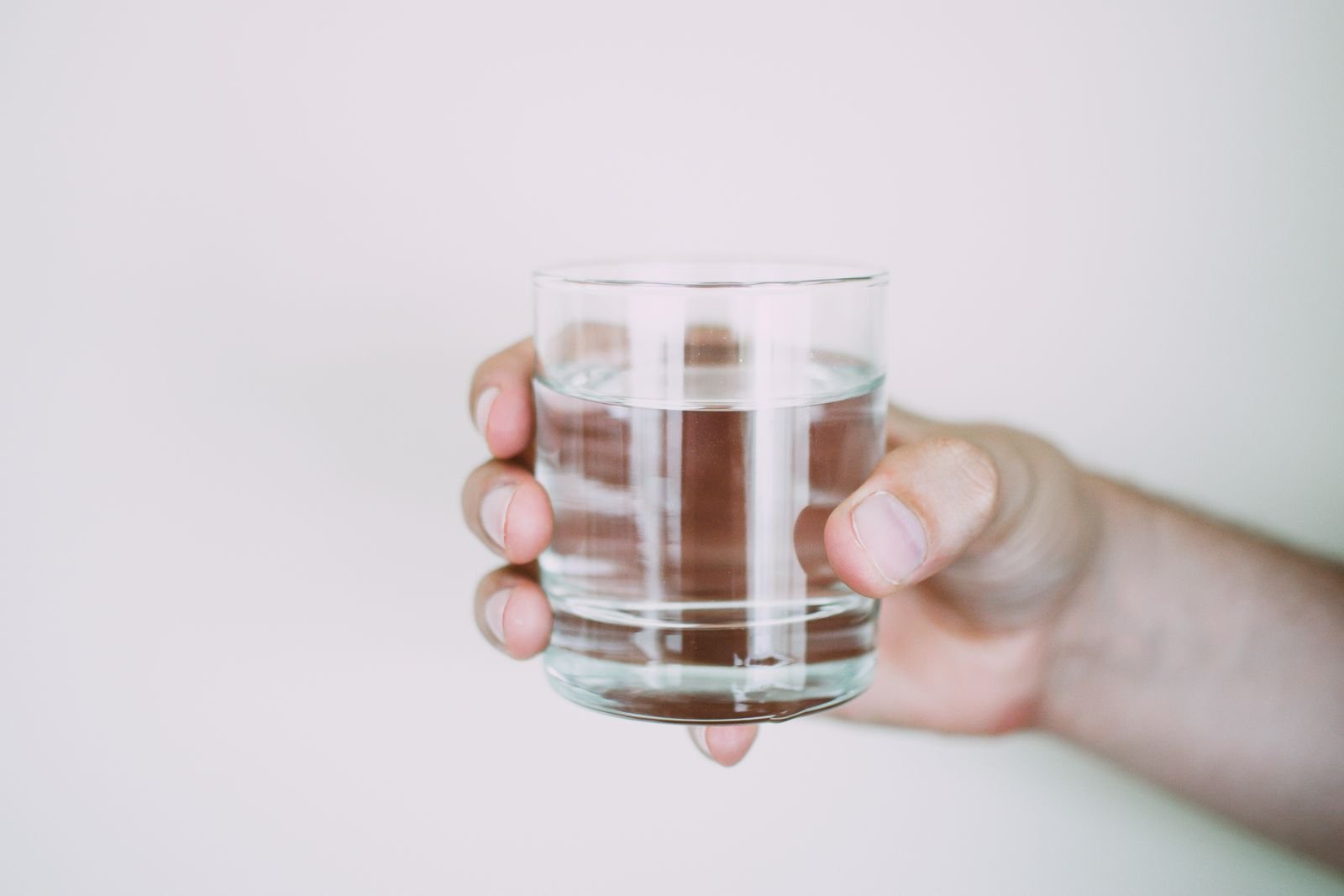
If you have diabetes or another long-term condition, take extra care not to become dehydrated.
Children: you can usually look after a child with norovirus at home. Do not give anti-diarrhoea medicine to children, and do not give aspirin to anyone under 16. For babies and young children, follow the HSE’s advice on diarrhoea in babies and children.
Signs of dehydration
Vomiting and diarrhoea make you lose fluid quickly. Watch for:
- feeling thirsty
- dark yellow, strong-smelling pee
- peeing less than usual, or fewer than 4 times a day
- feeling dizzy, lightheaded or tired
- a dry mouth, lips or tongue
- sunken eyes
Babies, children and people aged 65 and over are more at risk of dehydration.
When to get help
Most people do not need to see a doctor for norovirus. Try not to go into your GP surgery, as norovirus spreads to other people very easily. Phone first, or speak to a doctor online.
Speak to a doctor if you:
- notice blood in your diarrhoea or vomit
- have bad tummy pain with diarrhoea
- have recently come back from travelling abroad
- take regular medicine and cannot keep it down
- are peeing much less than usual
- feel weak or have severe muscle pains
- have symptoms that are not improving with home treatment
Call 112 or 999, or go to the emergency department, if you or the person you are caring for: is confused or disorientated, feels very dizzy, has not peed all day, has a fast heartbeat, has a fit (seizure), or is drowsy or difficult to wake. These can be signs of serious dehydration that need urgent treatment.
Diarrhoea after a course of antibiotics or a hospital stay can have a different cause. Read about C. diff diarrhoea.
How to stop norovirus spreading
- Wash your hands often with soap and water, especially after using the toilet and before eating. Do not rely on alcohol hand gel, because it does not kill the virus.
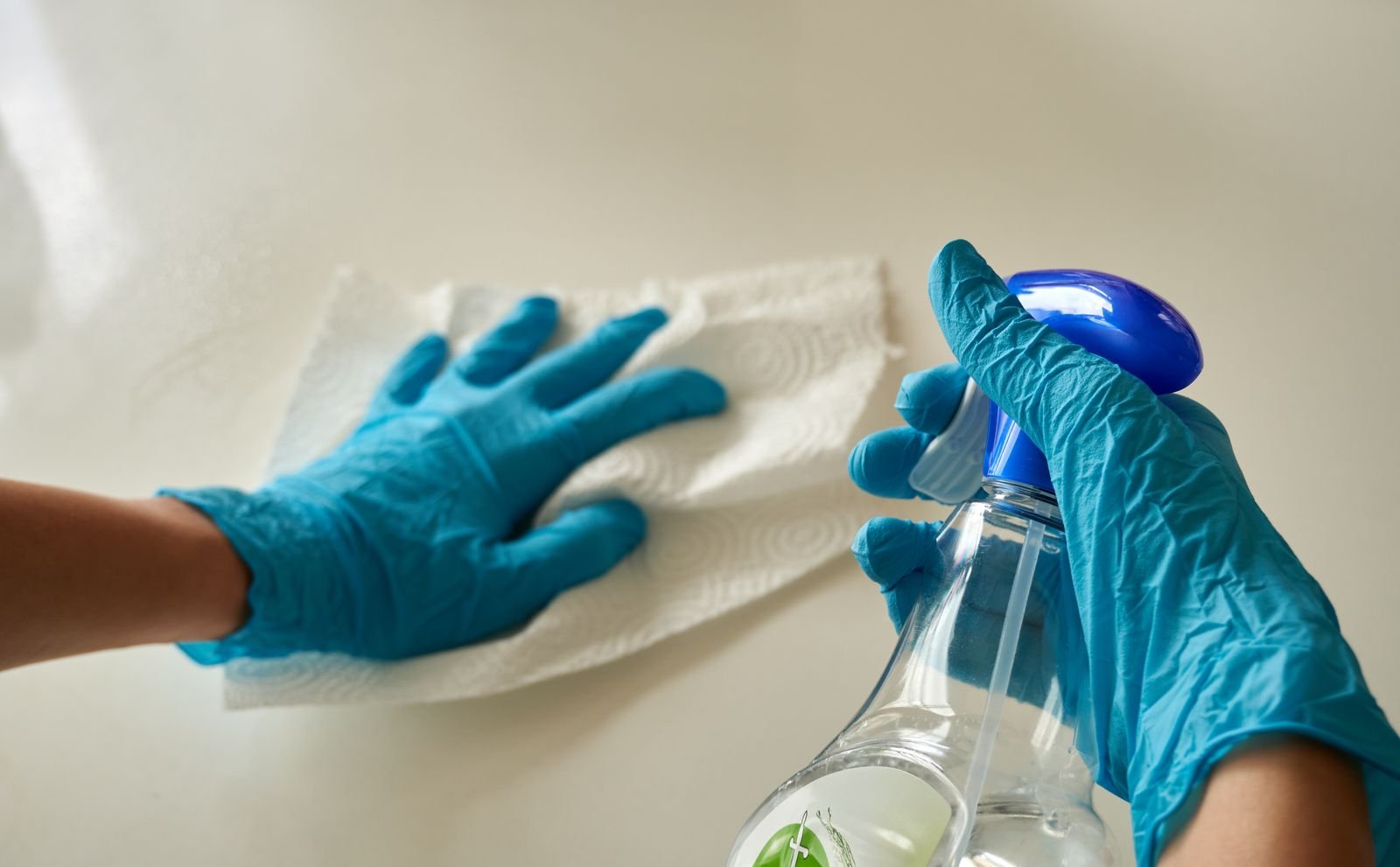
- Clean surfaces that could have the virus on them, using a bleach-based household cleaner.
- Flush away any vomit or poo in the toilet, and clean the area around it.
- Wash clothes and bedding that could be contaminated separately, on a hot wash.
- Do not share towels and flannels.
- Do not prepare food for other people while you are ill, if you can avoid it, and do not share cutlery or utensils.
- Do not use a swimming pool until a few days after your symptoms have stopped.
- Stay off work or school until at least 48 hours after your symptoms have passed, and do not visit anyone in hospital during that time.
Speak to an online doctor from home
If you are worried about your symptoms, dehydration or a long-term condition, you can speak to an IMC-registered doctor by phone or video without leaving the house. That way you will not pass the bug on to anyone in a waiting room.
In a Stomach Bug Consultation, the doctor asks about your vomiting, diarrhoea or stomach cramps, and gives you advice on fluids, recovery and when you need urgent care. €34.99 by phone, €39.99 by video.
Not for emergencies. If you have any of the emergency signs above, call 112 or 999.
Select a Service
An IMC-registered doctor will see you at your chosen time — by phone or video
Choose Date & Time
Select a date, then pick an available slot
Prefer an app? Book in the DocOnCall app, our sister service, and get 20% off your first app booking with code DOCAPP20.
DocOnCall and OlaDoc are both run by IE HEALTHNOW LIMITED · app bookings only · opens in a new tab
- 📞 The doctor calls you — no waiting room
- ✅ IMC-registered Irish doctors
- 🕑 All times are Irish time
Your Details
All fields marked * are required
Secure payment next — you won't be charged until you confirm.
Having trouble making payment or securing your slot? 💬 WhatsApp our support team
Review & Pay
Confirm your booking details below
256-bit SSL encryption · Google Pay & card accepted
Refundable if you cancel at least 6 hours before the appointment — see our Cancellations & Refunds policy.
Frequently asked questions
How long does norovirus last?
Symptoms start 1 to 2 days after you catch it and usually last up to 2 or 3 days. Diarrhoea can sometimes take up to 7 days to settle.
How long am I contagious?
You are most infectious from when your symptoms start until 48 hours after they have all gone. You may also be infectious for a short time before and after this.
When can I go back to work or school?
Stay off work or school until at least 48 hours after your symptoms have passed.
Does hand sanitiser kill norovirus?
No. Alcohol hand gel does not kill norovirus. Wash your hands often with soap and water instead.
Can I get norovirus more than once?
Yes. The virus keeps changing, so your body cannot build up long-term protection against it.
Do I need antibiotics for norovirus?
No. Norovirus is a virus, so antibiotics will not help. Rest and plenty of fluids are the best treatment.
What should I eat and drink?
Drink plenty of fluids, in small sips if you feel sick. Water and oral rehydration sachets are best. Avoid fruit juice and fizzy drinks. Eat when you feel able to. You do not need a special diet.
Should I go to my GP?
Usually not. Try not to go into the surgery, as norovirus spreads very easily. If you need advice, phone first or speak to a doctor online. Check the warning signs under When to get help.
Can I visit someone in hospital?
Not until at least 48 hours after your symptoms have passed. Norovirus spreads easily in hospitals and nursing homes.
My child has norovirus. What should I do?
You can usually look after your child at home. Keep them drinking fluids and watch for signs of dehydration. Do not give children anti-diarrhoea medicine, and do not give aspirin to anyone under 16. See the HSE’s advice on diarrhoea in babies and children.
Can an OlaDoc doctor help with norovirus?
Yes. In a Stomach Bug Consultation by phone or video, an IMC-registered doctor asks about your symptoms and advises on fluids, recovery and when you need urgent care. It is not for emergencies: if you have serious warning signs, call 112 or 999.