Food poisoning happens when you eat food that has germs in it, such as bacteria or viruses. It is not usually serious, and most people feel better within a few days. This page covers the symptoms, how to look after yourself, who should speak to a doctor, the warning signs that need urgent help, how to report a food business, and how to prevent food poisoning at home.
Key points
- Symptoms usually start 1 to 2 days after eating the food, but they can start within a few hours or not until weeks later.
- Most people get better at home within a few days. Rest, and keep sipping water.
- Speak to a doctor if you are pregnant, aged 60 or over, have a weak immune system or a long-term condition, or cannot keep fluids down.
- Call 112 or 999 for warning signs such as vomiting blood, a stiff neck or severe difficulty breathing.
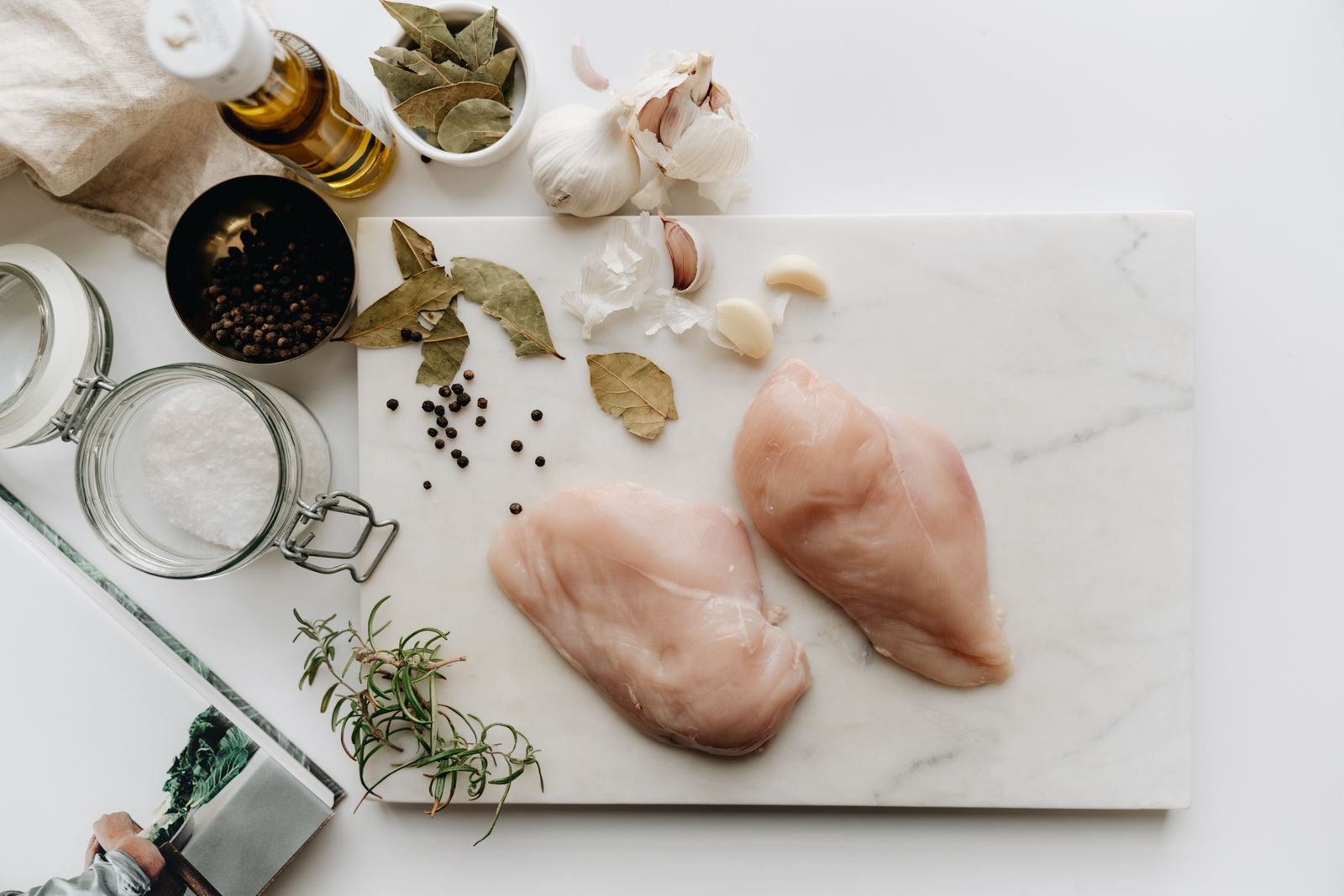
- Undercooked chicken is a common cause. Cook meat until it is steaming hot, with no pink meat inside.
Symptoms of food poisoning
- feeling sick (nausea) and vomiting
- diarrhoea, which may have blood or mucus in it
- stomach cramps and tummy pain
- feeling weak, with no energy, and losing your appetite
- a fever, aching muscles and chills
Symptoms usually begin 1 to 2 days after eating contaminated food. They can also start anywhere from a few hours to several weeks later. In most cases they pass within a few days.
What causes food poisoning
The most common germs behind food poisoning include:
- Campylobacter, usually found on raw or undercooked meat, often chicken
- Salmonella
- Listeria, which can be found in pre-packed sandwiches, cooked sliced meats and soft cheeses
- E. coli, often linked to undercooked beef
- Norovirus, the winter vomiting bug
Food can become contaminated when it is not cooked properly, is not chilled properly or is left out too long, is handled by someone who is ill or has not washed their hands, or is eaten after its use-by date. Germs also spread when raw food touches other food, surfaces or equipment.
Foods more likely to cause food poisoning include raw meat, raw shellfish, unpasteurised milk, and ready-to-eat foods such as cooked sliced meats, pâté, soft cheeses and pre-packed sandwiches.
How to look after yourself at home
- Stay at home until your symptoms have stopped.
- Rest and drink plenty of water, even if you can only manage sips.
- Use an oral rehydration solution from a pharmacy if you are getting dehydrated. These are especially helpful for older or frail people.
- Avoid fruit juice and fizzy drinks, which can make diarrhoea worse.
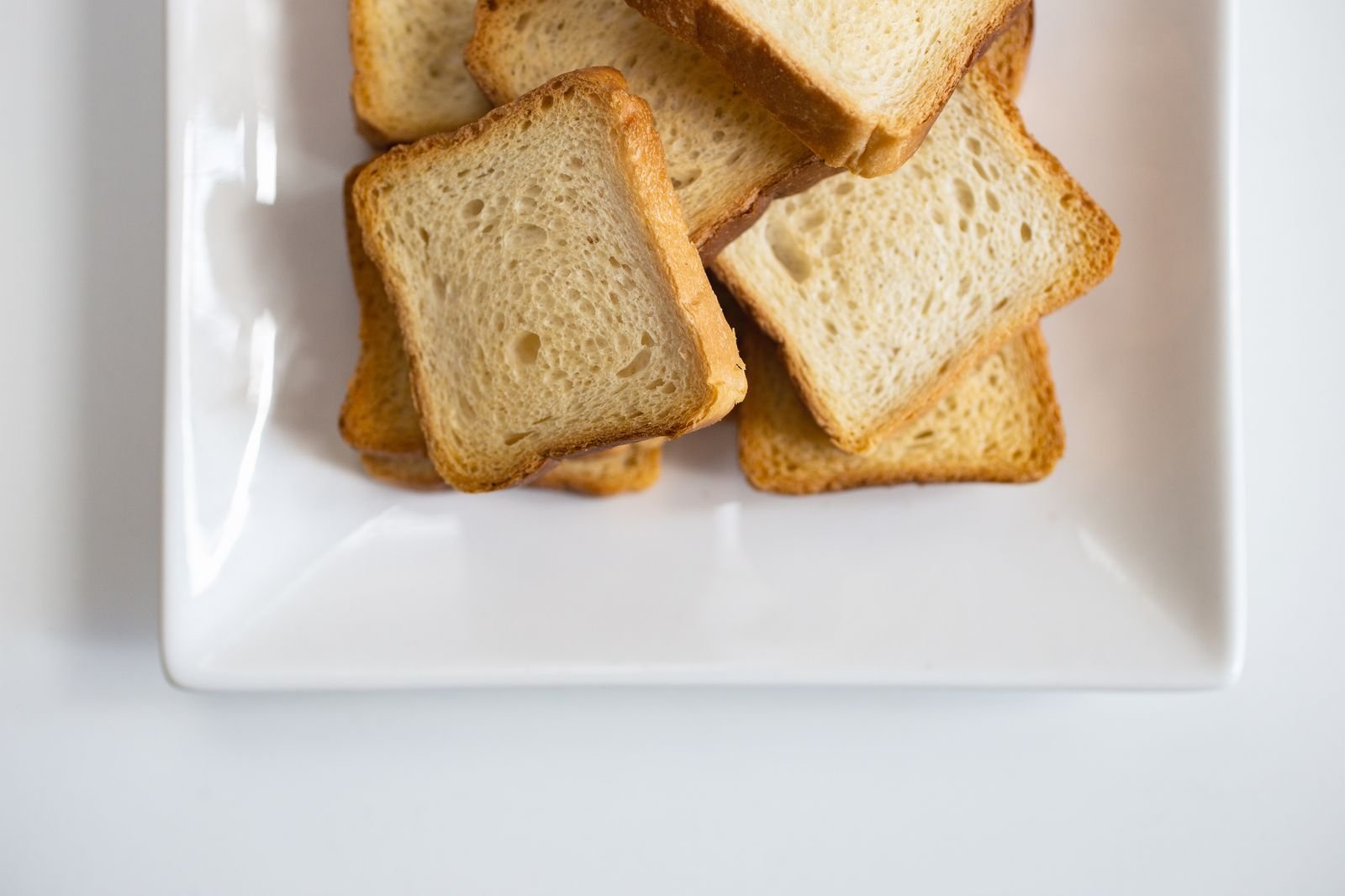
- Start eating again slowly. When you feel ready, have small, light meals of plain food, such as toast or rice.
Who should speak to a doctor
Speak to a doctor if:
- you cannot keep fluids down because you keep vomiting
- your symptoms are not getting better after a few days
- you are pregnant
- your baby or young child may have food poisoning
- you are 60 or older
- you have a weak immune system, for example because of medicine you take, cancer treatment or HIV
- you have a long-term condition such as inflammatory bowel disease, kidney disease or diabetes
Depending on your symptoms, a doctor may arrange a test on a sample of your poo, prescribe medicine or refer you to hospital.
If you are pregnant: listeria can be found in pre-packed sandwiches, cooked sliced meats and soft cheeses. If you think you have food poisoning, speak to your own GP.
Call 112 or 999, or go to the emergency department, if you:
- vomit blood, or have vomit that looks like ground coffee
- have green vomit (or yellow-green vomit in a child)
- might have swallowed something poisonous
- have a stiff neck and pain when looking at bright lights
- have a sudden, severe headache or tummy pain
- have blue, grey, pale or blotchy skin, lips or tongue
- have severe difficulty breathing, or fast, shallow breathing
- are confused or not responding as usual
- have signs of serious dehydration, such as not peeing all day or a fast heartbeat
Do not drive yourself to the emergency department.
Speak to an online doctor
If you are worried about your symptoms, or you are in one of the groups above, you can talk to an IMC-registered doctor by phone or video from home, without sitting in a waiting room while you are unwell.
Our Stomach Bug Consultation covers vomiting, diarrhoea and stomach cramps. The doctor asks about your symptoms and gives you advice on fluids, recovery and when you need urgent care. €34.99 by phone, €39.99 by video.
Not for emergencies. If you have any of the warning signs above, call 112 or 999.
Select a Service
An IMC-registered doctor will see you at your chosen time — by phone or video
Choose Date & Time
Select a date, then pick an available slot
Prefer an app? Book in the DocOnCall app, our sister service, and get 20% off your first app booking with code DOCAPP20.
DocOnCall and OlaDoc are both run by IE HEALTHNOW LIMITED · app bookings only · opens in a new tab
- 📞 The doctor calls you — no waiting room
- ✅ IMC-registered Irish doctors
- 🕑 All times are Irish time
Your Details
All fields marked * are required
Secure payment next — you won't be charged until you confirm.
Having trouble making payment or securing your slot? 💬 WhatsApp our support team
Review & Pay
Confirm your booking details below
256-bit SSL encryption · Google Pay & card accepted
Refundable if you cancel at least 6 hours before the appointment — see our Cancellations & Refunds policy.
Reporting food poisoning from a restaurant or shop
If you think a restaurant, takeaway or shop made you ill, the Food Safety Authority of Ireland (FSAI) advises you to:
- See your GP first.
- Write down when and where you bought or ate the food, when you started to feel ill, and your symptoms.
- If you still have some of the food, put it in a sealed container and keep it in the fridge or freezer.
- If your GP confirms food poisoning, make a complaint through the FSAI’s online form, call the FSAI Advice Line on 0818 33 66 77, or contact your local environmental health officer.
Environmental health officers inspect food premises and investigate complaints. Your details are only used to follow up your complaint and are not given to the food business.
How to prevent food poisoning at home
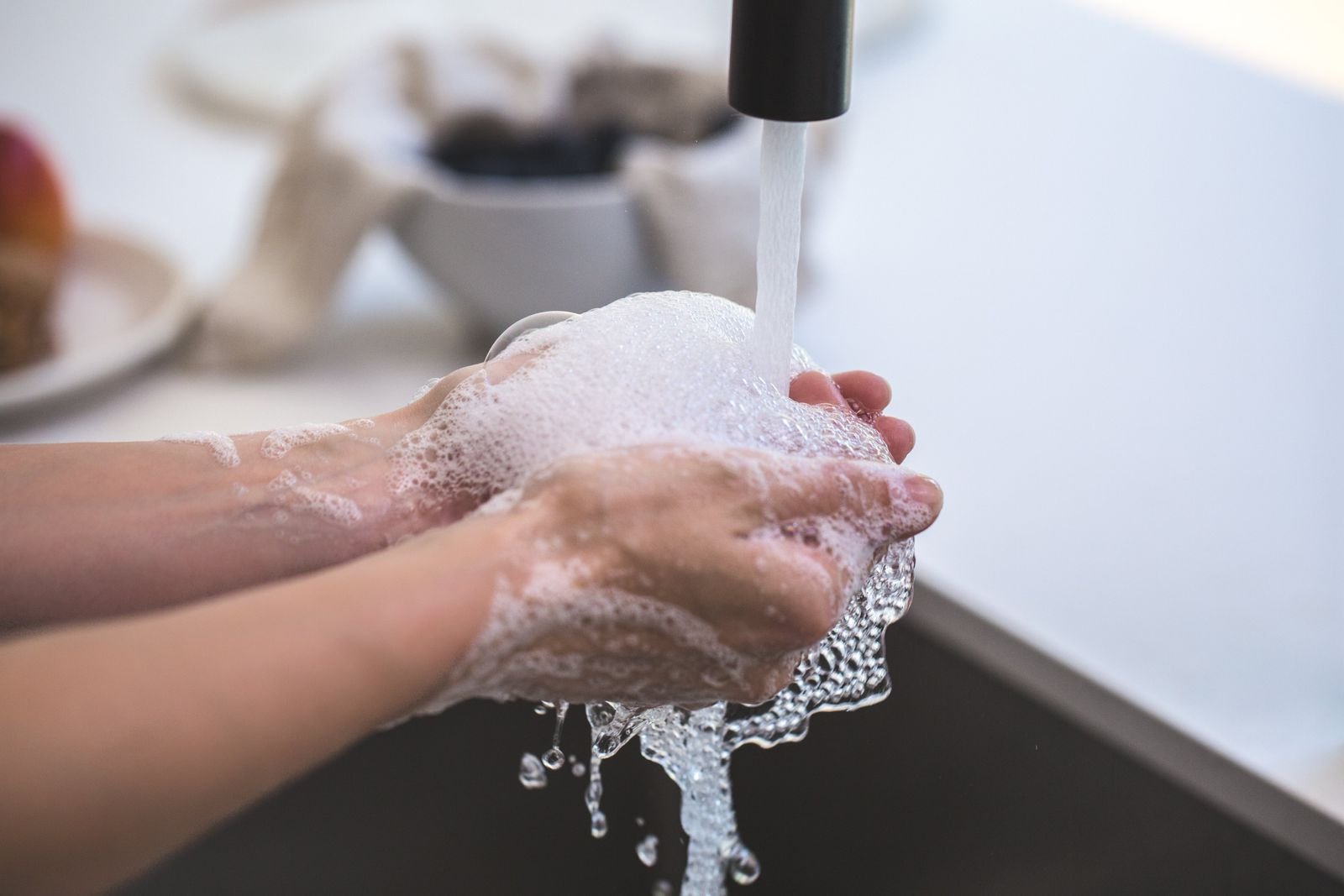
- Wash and dry your hands with soap and warm water before handling food, after handling raw food, after using the toilet or emptying the bin, after blowing your nose and after touching animals.
- Cook meat until it is steaming hot, with no pink meat inside. Freezing chicken reduces campylobacter but does not get rid of it, so always cook chicken thoroughly.
- Do not wash raw meat, including chicken and turkey, before cooking it.
- Keep raw and ready-to-eat food apart. Use a separate chopping board for raw food.
- Keep your fridge below 5°C, check it with a fridge thermometer, and do not overfill it. Cover raw meat and keep it on the bottom shelf.
- Cool leftovers within 90 minutes, keep them in the fridge, and eat them within 2 days.
- Do not eat food past its use-by date.
- Clean worktops before and after preparing food. Hot, soapy water is enough. Wash dishcloths often and let them dry, because germs spread on dirty, damp cloths.
Frequently asked questions
How long does food poisoning last?
In most cases the symptoms pass within a few days. Speak to a doctor if you are not getting better after a few days.
How soon after eating do symptoms start?
Usually 1 to 2 days after eating contaminated food. It can be anywhere from a few hours to several weeks later, depending on the germ.
What should I eat and drink?
Keep sipping water, and use an oral rehydration solution if you are getting dehydrated. When you feel ready to eat, start with small, light meals of plain food such as toast or rice.
Do I need antibiotics for food poisoning?
Most people get better at home without any medicine. If you need treatment, a doctor will decide, sometimes after a test on a sample of your poo.
When can I go back to work or school?
Stay at home until your symptoms have stopped. HSE advice for diarrhoea and vomiting is to stay off work or school until 2 days after your symptoms stop.
Is food poisoning contagious?
It can be. Some causes, such as norovirus, spread very easily from person to person. Wash your hands often with soap and water, and avoid preparing food for other people while you are ill.
I’m pregnant and think I have food poisoning. What should I do?
Speak to your own GP. Listeria, which can be found in pre-packed sandwiches, cooked sliced meats and soft cheeses, is a particular concern in pregnancy.
Should I wash raw chicken before cooking it?
No. The HSE advises not to wash raw meat, including chicken and turkey, before cooking. Cook it until it is steaming hot, with no pink meat inside.
How do I report a restaurant or takeaway?
See your GP first. If they confirm food poisoning, complain to the FSAI online or on 0818 33 66 77, or contact your local environmental health officer. Keep any leftover food sealed in the fridge or freezer.
Can an OlaDoc doctor help with food poisoning?
Yes. In a Stomach Bug Consultation by phone or video, an IMC-registered doctor asks about your symptoms and advises on fluids, recovery and when you need urgent care. It is not for emergencies: for any warning signs, call 112 or 999.