C. diff is a bacterium that can infect the bowel and cause diarrhoea. It mostly affects people who are taking antibiotics or have taken them recently, older people, and people who have spent time in hospital. This page explains the symptoms, who is at risk, how C. diff is treated and how to stop it spreading at home.

Information only. OlaDoc does not test for or treat C. diff. If you think you might have it, contact your own GP. For a tummy bug when you have not taken antibiotics or been in hospital recently, our online doctors offer a Stomach Bug Consultation.
Key points
- C. diff bacteria live in the gut. They can cause an infection when they grow too much, often after antibiotics.
- The main symptom is diarrhoea, which can be mild or very severe.
- C. diff is found with a test on a poo sample. Your doctor may stop your antibiotic or give you a different one.
- Most people recover fully in 1 to 2 weeks, but it comes back in around 1 in 5 people.
- Wash your hands with soap and water. Alcohol hand gel on its own is not enough.
What is C. diff?
C. diff is short for Clostridioides difficile. These bacteria live in the gut and are usually harmless. Some healthy people carry them without ever becoming ill.
Antibiotics can upset the normal mix of bacteria in your gut. This lets C. diff grow and make toxins, which cause diarrhoea and inflame the bowel.
C. diff can spread from person to person, or from surfaces such as a toilet seat. The bacteria can survive on hands and surfaces for a long time.
Who is most at risk?
You are more likely to get C. diff if you:
- are taking antibiotics, especially for a long time
- are 65 or older
- have spent time in hospital or a care home
- take medicines that reduce stomach acid
- have long-term kidney disease
- have had surgery on your tummy
- have a feeding tube that goes through your nose into your stomach

Symptoms of C. diff
- diarrhoea, from mild and watery to very severe, sometimes with a very bad smell
- feeling sick (nausea)
- a high temperature of 38°C or above
- loss of appetite
People who are very ill can have blood in their poo and a very swollen (bloated) tummy.
Diarrhoea has many causes, so it does not always mean C. diff, even if you are taking antibiotics. Doctors usually think about C. diff when someone has 3 or more loose poos in 24 hours and also has a risk factor, such as recent antibiotics.
C. diff or a stomach bug?
A lot of diarrhoea is caused by a stomach bug, most often norovirus. Here is how the two usually differ.
| Question | C. diff | Stomach bug (norovirus) |
|---|---|---|
| What causes it | Bacteria that grow too much in the gut, often after antibiotics | A virus |
| How you get it | Usually after antibiotics. It can also spread from people and surfaces, such as toilet seats. | Close contact with someone who has it, touching surfaces they have touched, or food they have handled |
| Main symptoms | Diarrhoea, sometimes very bad-smelling, with fever, nausea and loss of appetite | Feeling or being sick and diarrhoea, sometimes with a slight fever, headache, cramps or aching limbs |
| How long it lasts | Most people recover fully in 1 to 2 weeks | Usually up to 2 or 3 days |
| Test | A poo sample sent to a lab | Not usually needed |
| Treatment | Your doctor may stop your antibiotic or give you a different one | Rest and fluids at home. Antibiotics do not help. |
| Hand washing | Soap and water. Hand gel alone is not enough. | Soap and water. Hand gel does not kill the virus. |
When to get help
- Diarrhoea while taking antibiotics: talk to your GP or pharmacist, and drink plenty of fluids. Do not stop your antibiotics without asking them first.
- Symptoms that could be C. diff, especially after antibiotics or a hospital stay: contact your own GP.
- Get urgent medical help if you have blood in your poo, your tummy is very swollen, you feel very unwell or you are getting worse quickly. In an emergency, call 112 or 999.
- Watch for dehydration: peeing less than usual, or dark, strong-smelling pee.
People over 65 who have other long-term health conditions are more likely to become seriously ill with C. diff, so they should get medical advice early.
How C. diff is treated
- A test first: a sample of your poo is sent to a lab to check for C. diff.
- A change of antibiotics: if an antibiotic caused the infection, your doctor may stop it. Sometimes that is enough for the infection to clear. If not, your doctor will give you a different antibiotic that treats C. diff.
- Plenty of fluids: drink enough so you do not get dehydrated. If the infection is mild, you should be able to recover at home.
- A check of your other medicines: doctors are advised to review medicines that reduce stomach acid.
- No anti-diarrhoea medicines unless a doctor tells you to take them. HSE guidance advises doctors to avoid medicines that slow down the gut in C. diff.
- Hospital care for severe infection. For some severe or repeated infections, a faecal transplant (healthy gut bacteria from a donor’s poo) may be needed. Rarely, surgery is needed to remove a damaged part of the bowel.
Diarrhoea can take 1 to 2 weeks to settle after treatment. Symptoms come back in around 1 in 5 people, and treatment may need to be repeated. Tell your doctor if your diarrhoea returns.
How to stop C. diff spreading
- Wash your hands with soap and water after using the toilet and before eating. Alcohol hand gel on its own is not enough for C. diff.
- Use your own soap, flannel, sponge and razor.
- Use a different bathroom from the rest of your household, if you can.
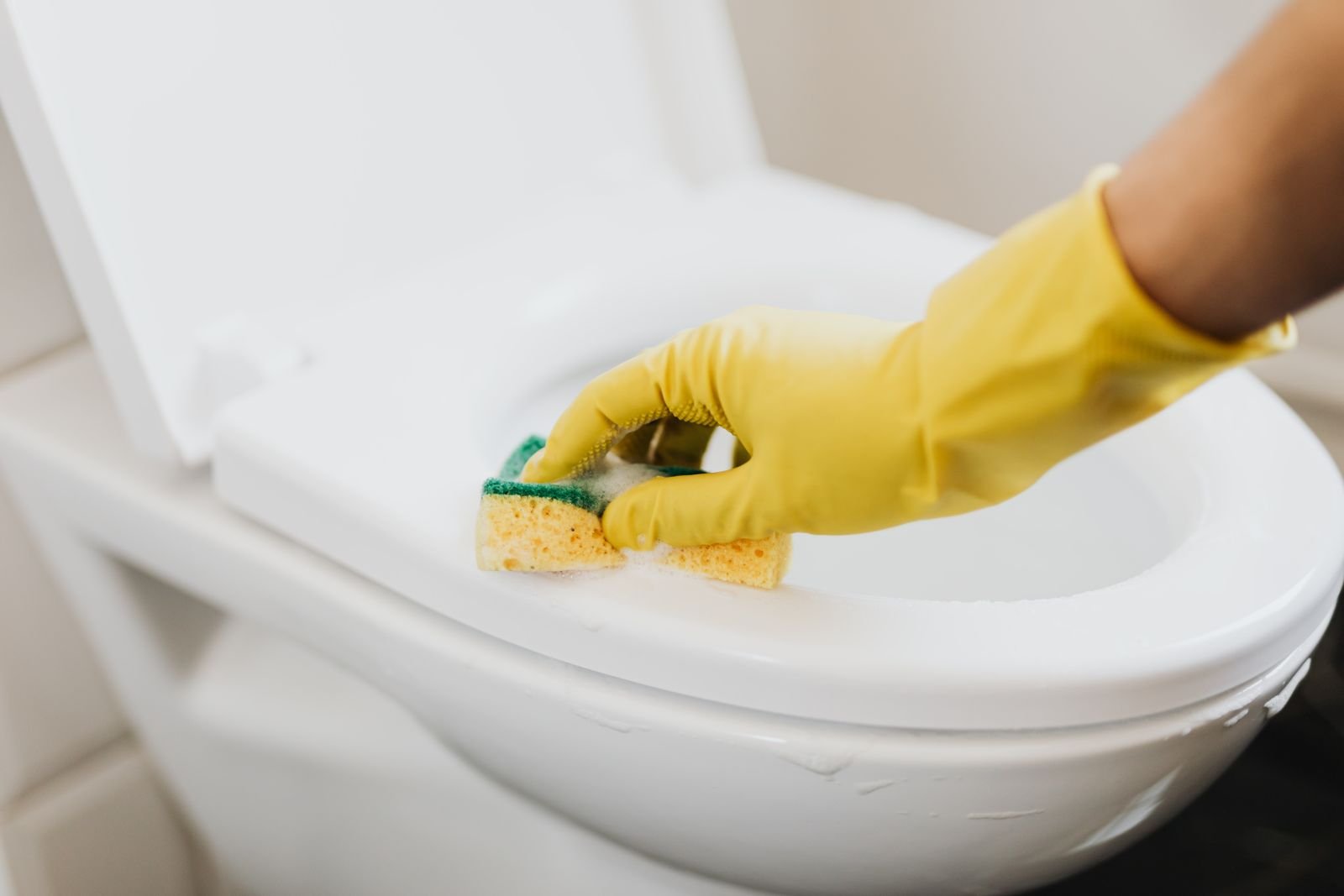
- Clean the toilet and bathroom every day with a household cleaner or disinfectant.
- Visiting someone in hospital with C. diff? Clean your hands before and after your visit, and do not sit on their bed.
Frequently asked questions
Is C. diff contagious?
Yes. It can spread through contact with someone who has it, or with surfaces such as toilet seats. The bacteria can survive on hands and surfaces for a long time, so washing your hands with soap and water and cleaning the toilet every day both matter.
Does hand gel work against C. diff?
Not on its own. HSE guidance says hands need to be washed with soap and water. Use soap and water after the toilet and before eating.
Can I get C. diff without taking antibiotics?
Antibiotics are one of the biggest risks, but not the only one. Being 65 or older and spending time in hospital or a care home also raise the risk. So do medicines that reduce stomach acid, long-term kidney disease and tummy surgery.
I have diarrhoea while taking antibiotics. Is it C. diff?
It might not be. Antibiotics often cause mild diarrhoea that passes when the course ends. Talk to your GP or pharmacist, drink plenty of fluids, and do not stop your antibiotics without asking them first.
How is C. diff tested?
A sample of your poo is sent to a lab to check for C. diff.
How long does C. diff last?
Most people make a full recovery in 1 to 2 weeks. The diarrhoea can take 1 to 2 weeks to settle after treatment.
Can C. diff come back?
Yes. Symptoms come back in around 1 in 5 people, and treatment may need to be repeated. Tell your doctor if your diarrhoea returns.
Should I take anti-diarrhoea medicine?
Not unless a doctor tells you to. HSE guidance advises doctors to avoid medicines that slow down the gut in people with C. diff.
Can I visit someone in hospital who has C. diff?
Follow the ward’s advice. Clean your hands before and after your visit, and do not sit on their bed.
Is this page about children too?
No, this page is about adults. For a baby or child with diarrhoea, see the HSE’s advice on diarrhoea in babies and children, or contact your GP.
Does OlaDoc test for or treat C. diff?
No. C. diff needs a lab test and treatment arranged by your own GP or a hospital. If you think you might have it, contact your GP. In an emergency, call 112 or 999.