In early October 2026, a laboratory worker in Siberia, Russia, died after a lung infection. Health authorities are investigating whether it was pneumonic plague. This has not been confirmed. This page explains what plague is, how bubonic and pneumonic plague differ, and what it means for people living in Ireland. In short: the risk here is very low.
Information only. OlaDoc does not test for, diagnose or treat plague, and you cannot book a consultation about it with us. If you are worried you have been exposed, see When to get help below.
Key points
- The case in Russia is suspected, not confirmed. Her contacts are being watched, and none has become ill.
- The World Health Organization says the risk for Europe is very low.
- Plague is caused by bacteria that live in wild rodents and their fleas. It does not occur naturally in Ireland.
- Only pneumonic plague, in the lungs, spreads between people. It needs close and prolonged contact with someone who is already sick.
- Plague can be cured with antibiotics if treatment starts early.
What has happened in Russia
Updated 8 October 2026
A woman who worked at a laboratory in the Irkutsk region of Siberia has died. Her institute studies dangerous germs, including plague. Plague also occurs naturally in wild animals in that part of Siberia. After media reports that she may have had pneumonic plague, the World Health Organization (WHO) asked the Russian authorities for more information.
What official sources have said so far:
- The cause of death has not been confirmed. Laboratory tests are under way.
- Her contacts are being watched. None has shown signs of illness, and Russian tests found no dangerous infection in any of them.
- WHO rates the risk as moderate to low for the Irkutsk region, low for Russia as a whole and very low for Europe. It will update this as it learns more.
- The European Centre for Disease Prevention and Control (ECDC) says there are no reports of anyone else catching it, and no sign of it spreading from person to person.
We will update this page when WHO or ECDC publish new information.
What is plague?
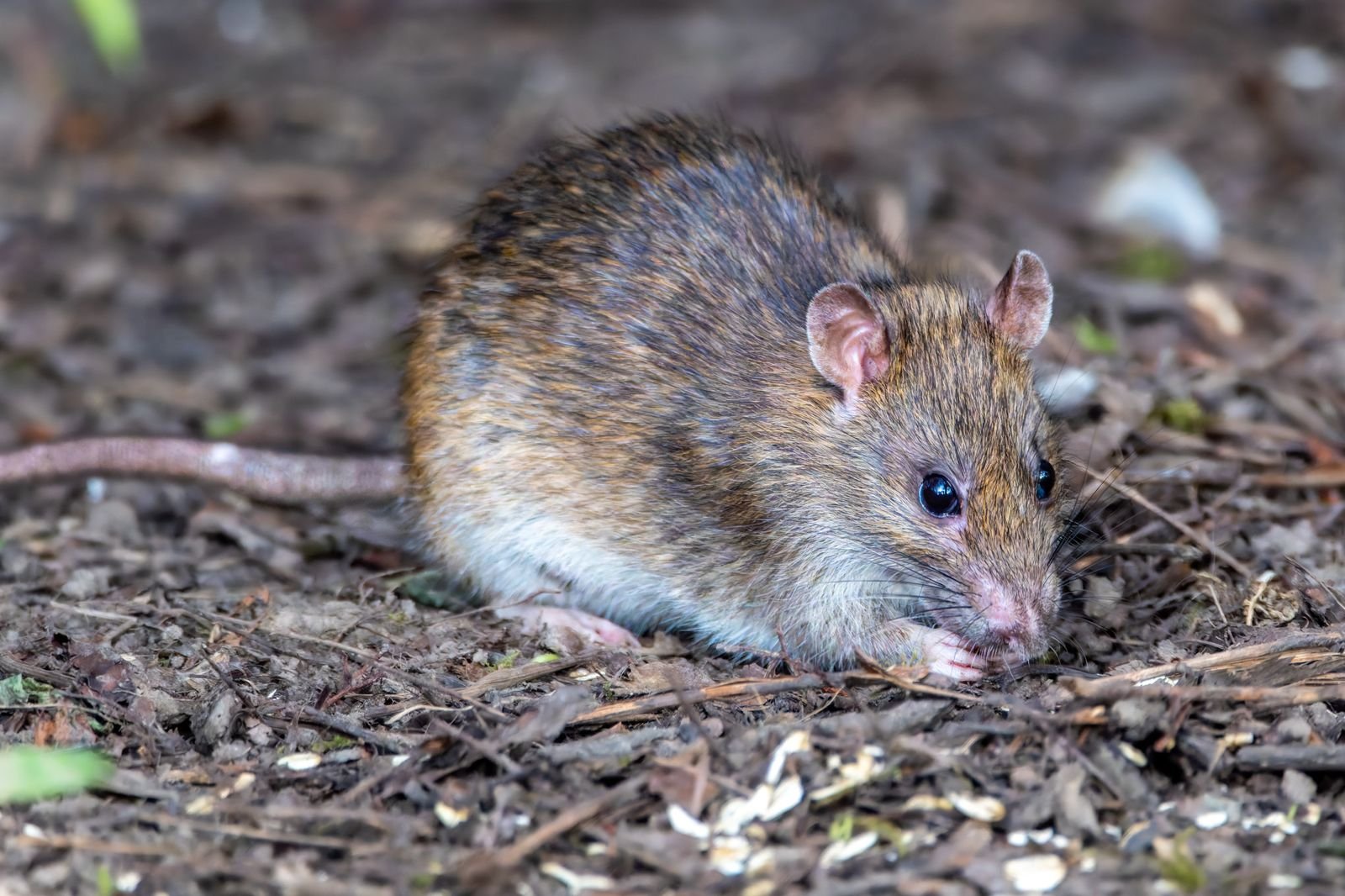
Plague is an infection caused by a bacterium called Yersinia pestis. It lives in wild rodents and the fleas that feed on them. People usually catch it from a flea bite, or by touching the tissue or body fluids of an infected animal. It is found naturally in parts of Asia, Africa and the Americas, not in Ireland.
Plague caused the Black Death in the 14th century, which killed more than 50 million people in Europe. Today it is rare, and antibiotics cure it when treatment starts early.
There are three main types, named after the part of the body that is infected:
- Bubonic plague affects the lymph glands. It is the most common type.
- Pneumonic plague affects the lungs. It is the most dangerous type, and the only one that spreads from person to person.
- Septicaemic plague affects the blood. It can develop from the other two types.
Bubonic vs pneumonic plague
Bubonic plague can spread to the lungs and turn into pneumonic plague. Here is how the two compare.
| Question | Bubonic plague | Pneumonic plague |
|---|---|---|
| Part of the body | The lymph glands | The lungs |
| How you catch it | A bite from an infected flea, or touching an infected animal | Breathing in droplets coughed out by someone who has it. Bubonic plague can also spread to the lungs. |
| Spreads between people? | Rarely | Yes, through close and prolonged contact with someone who is already sick |
| When symptoms start | Usually 1 to 7 days after infection | Can be within 24 hours; usually within 1 to 4 days |
| Main symptoms | Sudden fever, chills, aches, weakness and painful, swollen glands | Sudden fever, weakness, a cough (sometimes with blood), chest pain and breathlessness |
| Without treatment | Fatal in 30 to 60 in every 100 people | Almost always fatal |
| With early antibiotics | Curable | Most people recover if treatment starts within 24 hours of the first symptoms |

Because pneumonic plague spreads in droplets, people who have it are cared for in isolation, and masks help stop it spreading.
Symptoms of plague
Plague usually starts suddenly, a bit like a very bad flu:
- a high temperature (fever) and chills
- headache, body aches and weakness
- feeling sick or being sick
Then, depending on the type:
- Bubonic: one or more painful, swollen glands, called buboes.
- Pneumonic: a fast chest infection, with a cough, chest pain, breathlessness and sometimes blood in the phlegm.
- Septicaemic: extreme weakness, stomach pain and shock. There may be bleeding under the skin, and fingers and toes can turn dark.
Many common illnesses, like flu, COVID-19 and chest infections, cause the same early symptoms. Doctors only think about plague if you could have been exposed to it. See When to get help.
What is the risk in Ireland?
Very low. Here is why:
- Plague does not occur naturally in Ireland. There has not been a case of plague in the EU for decades.
- WHO rates the risk for Europe as very low.
- Pneumonic plague generally needs close and prolonged contact with a person who already has symptoms.
- The Irish Government already advises people not to travel to Russia. Its rating for Russia is “Do Not Travel”.
- Plague is a notifiable disease in Ireland. Doctors must report any suspected case to public health straight away.
When to get help
You only need to think about plague if both of these apply to you:
- In the last 7 days you were somewhere plague has been reported, such as the Irkutsk region of Russia, or you were in close contact with someone suspected of having plague.
- You now have a fever, a cough, chest pain, breathlessness or a painful swollen gland.
If that is you:
- Phone first. Do not walk in. Call your own GP or the emergency department before you go, and tell them where you have been. This lets them get ready and protect other people.
- Call 112 or 999 if you are struggling to breathe, coughing up blood or very unwell.

If you have not been anywhere plague is found, and have not been near someone who might have it, your symptoms are very unlikely to be plague. Look after them as you normally would, and contact a doctor if you are worried.
For general questions about health services, HSE Live is on 1800 700 700 (Monday to Friday 8am to 8pm, Saturday 9am to 5pm). Do not call HSE Live if someone is seriously ill. Call 112 or 999.
How plague is treated and prevented
- Treatment: plague is treated in hospital with antibiotics, which are readily available in Ireland and the rest of the EU. The sooner treatment starts, the better.
- Isolation: people with suspected pneumonic plague are cared for in isolation, so the infection cannot spread.
- Protecting contacts: close contacts of someone with pneumonic plague are given a 7-day course of antibiotics to stop them becoming ill. Public health teams decide who needs this.
- Vaccine: there is no plague vaccine for the general public. WHO only recommends vaccination for some high-risk groups, such as laboratory and health-care workers.
- Where plague is found: avoid flea bites, and do not touch sick or dead animals.
Frequently asked questions
Is there plague in Ireland?
No. Plague does not occur naturally in Ireland, and there has not been a case of plague anywhere in the EU for decades. If a doctor in Ireland ever suspected plague, they would have to report it to public health straight away.
Can I catch plague from someone in Ireland?
No. Only pneumonic plague spreads between people, and only through close and prolonged contact with someone who already has symptoms. There are no cases of plague in Ireland.
Is pneumonic plague the same as the Black Death?
The Black Death of the 14th century was plague, caused by the same bacterium. It killed more than 50 million people in Europe. Today antibiotics cure plague when treatment starts early, and public health teams trace and protect close contacts.
Is there a plague vaccine?
Not for the general public. WHO only recommends vaccination for some high-risk groups, such as laboratory and health-care workers.
Can plague be cured?
Yes. Antibiotics cure plague when treatment starts early. Without treatment, pneumonic plague is almost always fatal, which is why anyone who might have it is treated straight away.
How quickly do symptoms start?
Usually 1 to 7 days after infection. Pneumonic plague caught from another person can start within 24 hours.
I have a cough and a temperature. Could it be plague?
Very unlikely. Plague is only a possibility if, in the last 7 days, you were somewhere plague is found or in close contact with someone suspected of having it. Otherwise, look after it as you would any cough or temperature, and contact a doctor if you are worried.
Can pets or wild animals in Ireland carry plague?
No. Plague does not occur naturally in Ireland, so Irish pets and wildlife are not a source of it. In countries where plague is found, the advice is to avoid flea bites and not to touch sick or dead animals.
Should I wear a mask or change my plans?
Not because of this case. There is no plague in Ireland, and WHO rates the risk for Europe as very low. Masks are used by people who have pneumonic plague and by those caring for them. Separately, the Irish Government already advises people not to travel to Russia.
Does OlaDoc test for or treat plague?
No. OlaDoc does not test for, diagnose or treat plague, and you cannot book a consultation about it with us. This page is for information only. If you think you may have been exposed, phone your own GP or the emergency department before you go, or call 112 or 999 in an emergency.
Where can I find the latest official information?
The World Health Organization, the European Centre for Disease Prevention and Control (ECDC) and Ireland’s Health Protection Surveillance Centre (HPSC). Their pages are linked under Sources below.
Sources
- World Health Organization: Plague fact sheet
- UN News: Testing and monitoring underway in suspected Russia plague death (6 October 2026)
- ECDC: Closely monitoring situation following case of pneumonia of unknown origin in Russia (6 October 2026)
- HPSC: Plague factsheet
- Department of Foreign Affairs: Travel advice for the Russian Federation
- HSE: Contact the HSE